Any photographer will be familiar with the question about what equipment they use. It’s one of the first conversation-starter questions someone will ask when they discover your work. So, I thought that subject might make for a good first blog post.
(An additional question for film photographers is, what films do you use? But I’ll save that question for a future blog post)
Digital
Firstly, it should be said early on that I use a lot of different stills cameras (I won’t even cover video and movie cameras in this blog, again, another whole other subject!)
For any urgent events or documentary photography, which I specialise in, I use my ‘main’ digital camera which I’ve had for years (and share with my wife), a Canon EOS 700D. It’s quite old now, by modern standards, but it still does the job, and I can’t really afford the price of an upgrade. I usually put a 50mm or 20mm lens on, which is the equivalent of 1.6x for each, as the 700D is an APS-C camera.
I’ll also shoot portraits on this camera sometimes, and I also have a zoom lens which I’d often use for this as well.
I purposely don’t like to use an expensive camera for events and street photography because otherwise I’m worrying about the camera too much, rather than trying to get the shot. So until it breaks beyond repair, or until 18 million pixels becomes unacceptable as a professional, I’ll stick with it.
I also have a little pocket-sized Fujifilm XF10, which is an amazing little camera, which, sadly, Fuji don’t seem to be making anymore or upgrading (or even making parts – mine is currently at the repair shop, and I’m not sure it’s fixable, which will be a shame).
I use the XF10 as a camera which I can carry with me wherever I go. If I’m going out for other purposes I always take this in my bag or my pocket, just because you never know when a photo opportunity may arise, and it’s much better than my phone.
The only issue with the XF10 is that it’s so easy to take lots of shots, so I’m very prolific with it, and rarely get the chance to go back through all the shots I’ve taken, so I’ve undoubtedly forgotten about a few gems!
35mm Film Cameras
Up until recently I’ve been using a Canon AE-1 as my main 35mm film camera, with either a 50mm or 135mm lens on it. It was my go-to camera for film photography since I got back into film in 2021. It’s a manual camera mainly, but it also has a good shutter speed priority setting, which I like, and a good bright viewfinder for focussing.

More recently though, I’ve taken to shooting on a very cheaply bought Canon EOS 300 – which, interestingly was also my first ever SLR I bought back in 2001 (and, by the way, I had no film camera at all between 2010 and 2020). It works for me because it’s more reliable than the Canon AE-1. I can auto-focus with it (if I want, and I increasingly find I do want) and also it’s very easy and quick to load the film, and I don’t make so many accidental mistakes as I did with the AE-1 (although even the mistakes sometimes work in my favour!). And the best part is, it takes the same lenses as my digital EOS 700D. The 20mm lens, which I only bought recently, is especially cool as it’s very wide on the EOS 300 (more from this lens to come!).
I have a couple of other 35mm cameras, which I use less often, but when the moment is right, they are great cameras. Firstly, I have a Halina 35X, a very old light-leaky completely manual rangefinder. It takes weird and wonderful shots, and is very unpredictable. For similar experimental reasons I also sometimes shoot on a Lomography Fisheye camera, a Diana F+ with a 35mm back (more on the Diana F+ below), and a Sealife Sportdiver underwater camera. I’ve had many other cameras in the past few years as well, during a prolific period of film experimentation, all of which have come and gone, but have left me with some interesting photos (many of which I still have to sort through and potentially edit). I’ve also had a few 110 film cameras, but not currently (I have one on my wish-list though – see below).
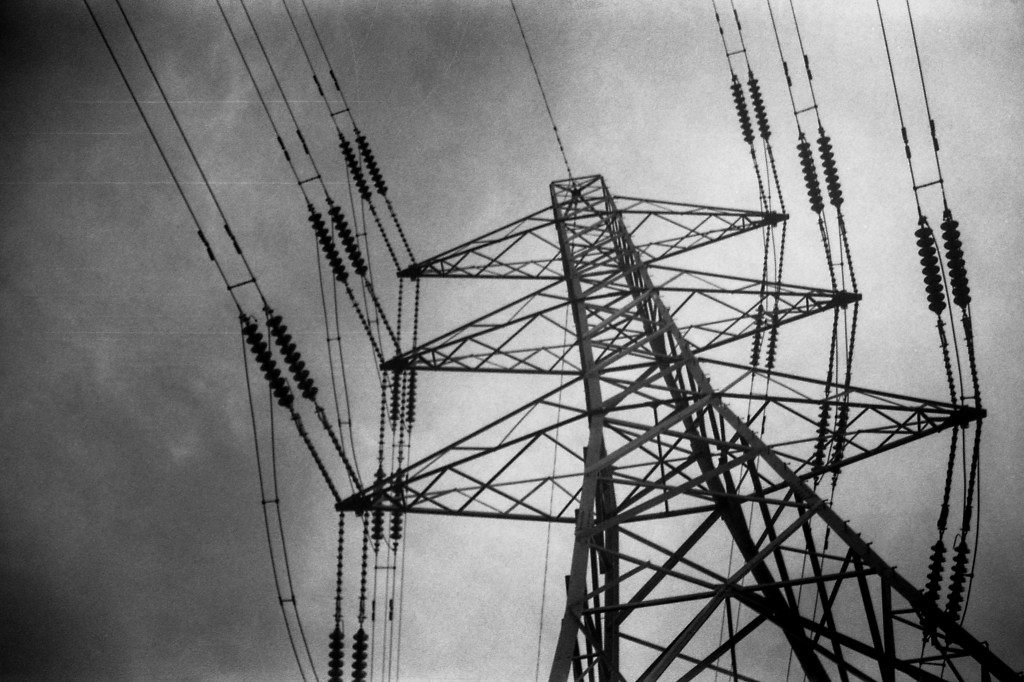
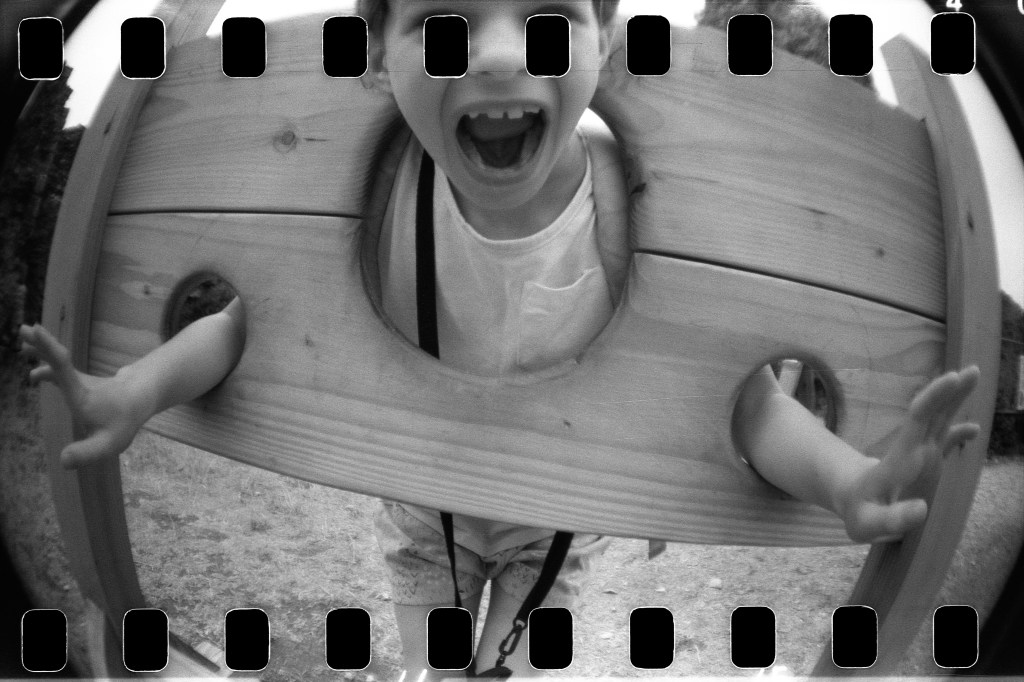
Some would ask, why film at all? Well, the answer is probably a long one, and for a future blog. But for me, it’s two main reasons – one is the colour and aesthetic look of films which I like, and is hard to replicate on digital. Secondly, it’s about the joy of the process, and the experimentation.
120 cameras
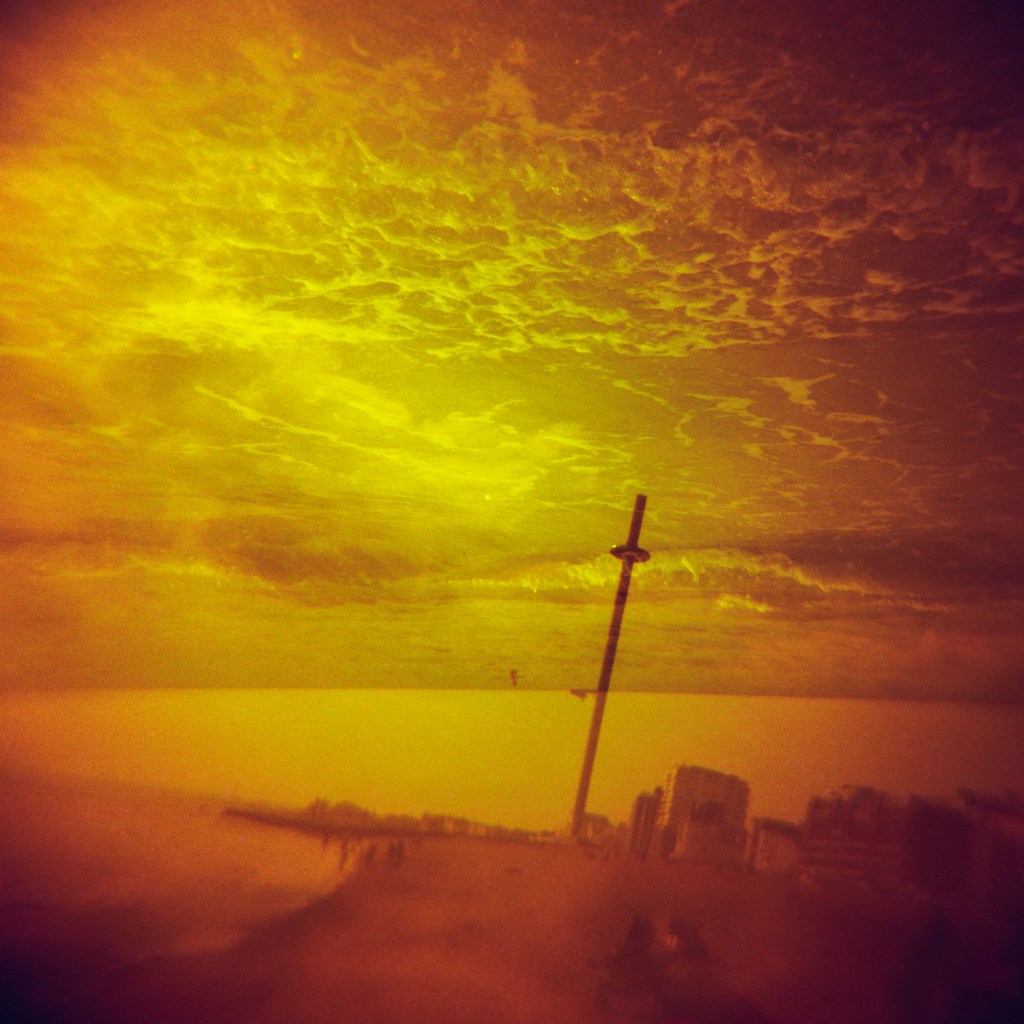
Speaking of experimentation of film, I have two 120 film cameras which are all about the experimenting, and it’s great fun – and often produces great unique images. They are both plastic cameras. Firstly, I have the above mentioned Diana F+ which can also be adapted to a 35mm camera, and I also have a fisheye lens which can be fixed on to it. The other is a Holga 120N, a camera which has a dedicated experimental photography fanbase – I initially had one a few years ago, but it broke very quickly, but I was lucky enough to be given another one recently. The Holga and the Diana are very similar, but have their own unique looks.
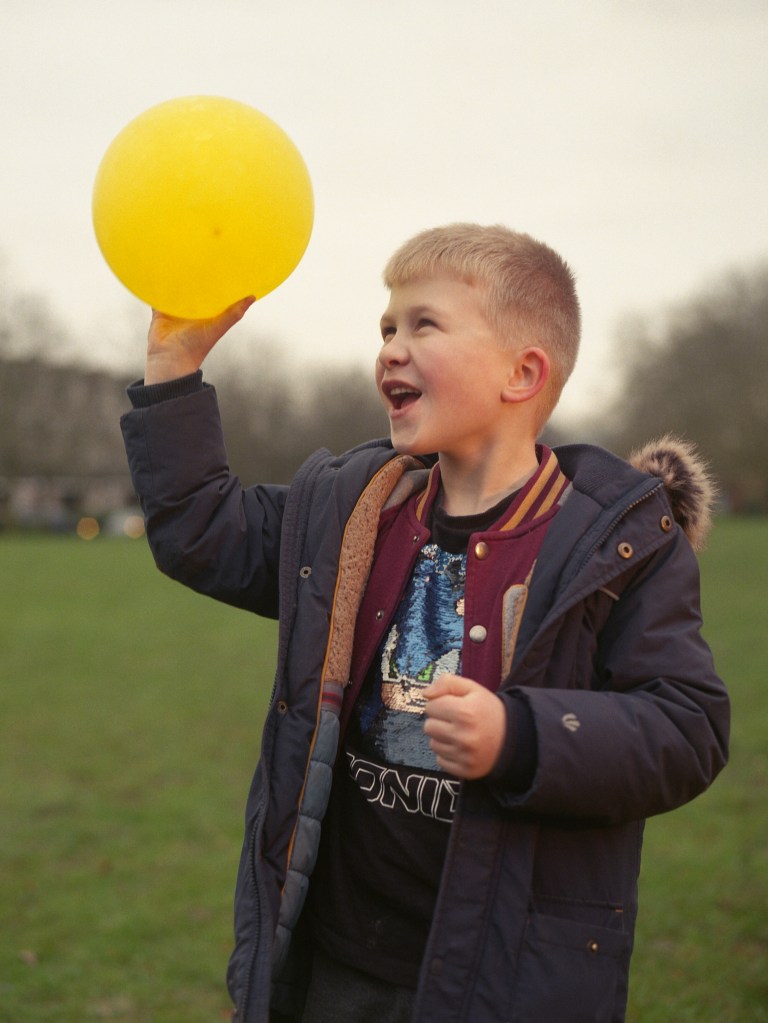
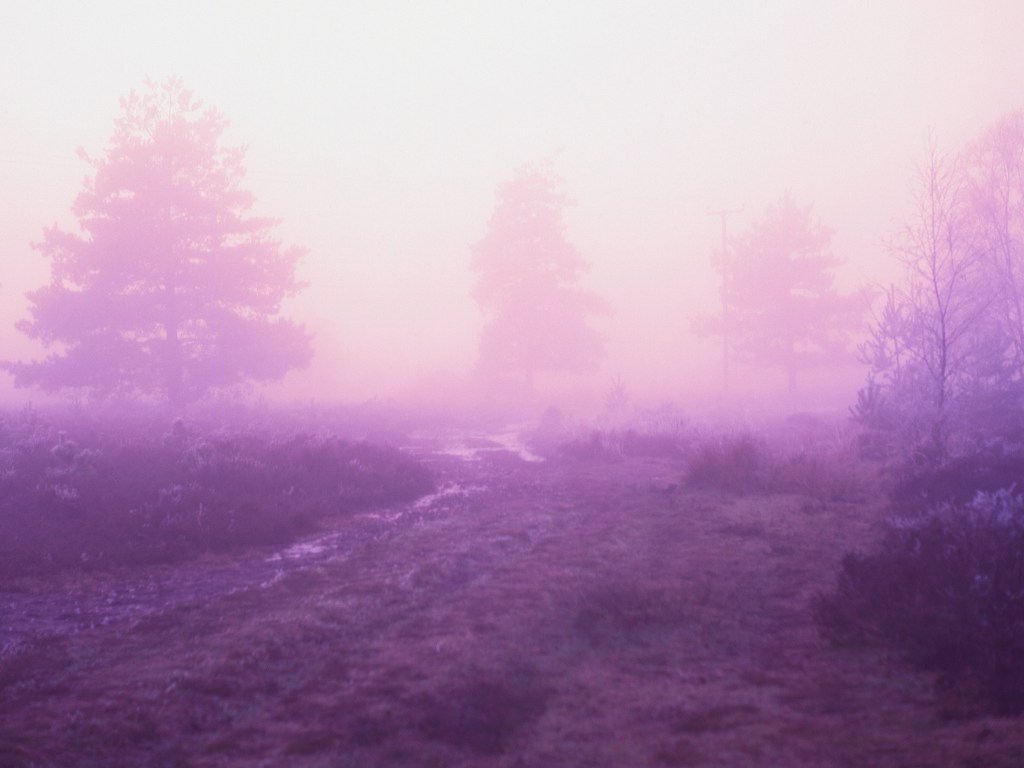
My final 120 camera, and the last of my stills cameras is a Bronica SQ-A. This is quite a recent purchase, and was an upgrade in my 120 film capabilities. I used to use a very cheap Yashica Mat, which served my needs for a while, but I wanted to get better at portraits and the Yashica Mat was lacking in this area as I’d often mess up the focus in the viewfinder. So, I invested in a Bronica SQ-A and it’s perfect. The only downside is that it’s a beast, and is too heavy to usually carry around with me anywhere, so really it’s only useful for specific portrait or landscape photo shoots, and even then it’s a bit of a faff with measuring exposure and moving about – but, when I do use it, the results are worth it!
Wishlist
I think every photographer probably has a wishlist of cameras and equipment. For example, I have a small Rotolight which I use occasionally, but I’d ideally like a few more, and bigger, lights – but it’s hard for me to justify the cost! And I could always use a few more and better lenses on my Canon EOS 700D and EOS 300.
In terms of cameras, I’d love a camera from the Fujifilm X100 series, which would be perfect for my street photography passion, but they always feel a bit out of reach, price-wise. (If my XF-10 is unfixable, then maybe, we’ll see…..)
I’d like a Canon Sureshot A1 waterproof film camera – I’ve heard they’re very good point and shoot cameras, and I’d like a film camera that I can use in the rain.
I’ve never quite had a point and shoot film camera which I really liked, so I think something like an Olympus MJU II would be good, or a Ricoh GR1V, but they are ludicrously pricey!
The 110 film camera I’d like is the new Lomography Lomomatic 110, which looks more experimental than 110 cameras I’ve used in the past, with a bulb setting and double-exposure setting.
And the list could go on and on, but I’ll stop there!
Thank you for reading about my cameras, and I’d love to know what you use, and what you think I should try out!
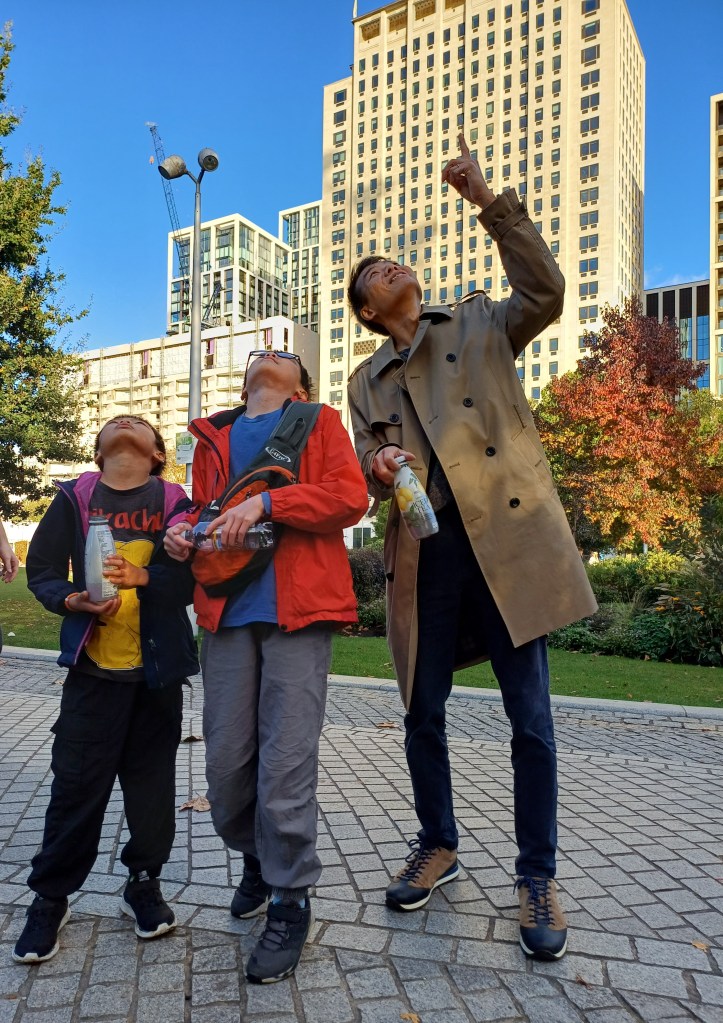
And I’ll finish with a picture from the obvious camera which I’ve so far excluded – my phone! Sometimes it’s the right place at the right time, and the phone is the only option.
One response to “My Cameras”
-
Very nice list of gear. Instead of very expensive Ricoh GR1v you can try Ricoh FF-3 or FF-70. The price is ok. I use it instead of my broken GR1s. The features are almost the same when the price is 1/10
LikeLike

 Bragg Photos
Leave a comment